 / Our magazine / Happiness in three bites of chocolate!
/ Our magazine / Happiness in three bites of chocolate!
/ Our magazine / Happiness in three bites of chocolate!
👉 How well do you really know chocolate? Test yourself with our quiz and find out if you are a true connoisseur, and if you want to know more, keep reading.
Close your eyes. Imagine the warm and enveloping scent of freshly opened cocoa. The intense aroma spreads through the air, reminding you of childhood, a cup of hot chocolate, moments of calm and the promise of pure pleasure.
Every bar is much more than a sweet: it is an ancient story, made of journeys, discoveries, and skilled gestures.
Because chocolate is not just eaten. It is listened to. It is smelled. It is lived.
The history of chocolate begins thousands of years ago in Central America. It was the Maya and Aztec peoples who first discovered that the bitter seeds of Theobroma cacao — “food of the gods” — could be transformed into a sacred drink.
It was thick, fragrant, spicy: an elixir of strength and spirituality. Chocolate was not yet sweet, but it was already something that ignited the senses, and it was already known to have health benefits (here we have talked about the health benefits of chocolate).
When cocoa arrived in Europe in the 16th century, its story changed forever. Sugar sweetened its bitterness, processing refined, and a new language of taste was born: the language of sensuality and joy.
Discover how a bitter drink gave birth to the sweet bar, read our in-depth article here.
Like wine, chocolate has a terroir: the territory from which the beans determines its character.
Each area of the world leaves a different imprint:
🌱 Venezuela and South America — elegant, enveloping, velvety cocoa.
🌿 West Africa — intense, roasted aromas, with bold notes.
🍃 Asia — subtle, spicy aromas, with a delicate elegance.
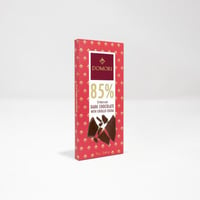
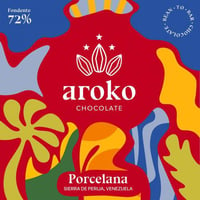
Our producers, Domori and Aroko, start precisely from here: from the search for the purest raw material, from plantations that respect the earth and the time.
Domori is a pioneer of Criollo cocoa, a rare and precious variety, carefully crafted to preserve every aromatic nuance.
Aroko, on the other hand, carries out a transparent and direct philosophy: each bar tells the story of a single place, a harvest, a story to be heard.
👉 No two bars are the same, just as no two territories are identical.
If the origin tells the soul, the percentage of cocoa butter defines the voice.
A high percentage gives creaminess and melt-in-the-mouth feel, a caress that slowly melts in your mouth.
A lower percentage reveals a sharper character, rough and direct, which tells the story of cocoa in its rawest form.
Domori works to balance precision and harmony, creating elegant, silky bars, with flavors that open slowly like good wine.
Aroko prefers to let the ingredients speak for themselves, minimizing processing to bring out the purity of the bean.
👉 The choice is never trivial: it is a matter of sensory experience and personal identity.
There is a reason why, when we taste good chocolate, we feel something that goes beyond the pleasure of the palate. That moment when chocolate melts slowly on the tongue, releasing round and enveloping aromas, is much more than a sensory experience: it is a chemical, emotional, and even cultural reaction.
Chocolate indeed stimulates the production of endophins, the so-called “molecules of happiness”. These neurotransmitters, naturally produced by our brain, are the same ones that activate during intense physical activities, moments of euphoria, or gestures of tenderness. When eating chocolate — particularly high-quality dark chocolate — the body releases these substances that alleviate stress, amplify the feeling of well-being, and create a pleasant form of emotional satisfaction.
But it is not just about biochemistry. The pleasure of chocolate is also a sensory and psychological matter. The intense aroma, the velvety texture, the warmth that spreads in the mouth activate areas of the brain linked to memory and emotions. We often associate chocolate with moments of comfort, cuddles, intimacy. It is a reassuring gesture, that warms, that tells personal stories.
This combination of chemical stimulation and emotional perception explains why a simple bite can change your mood. That’s why many talk about the “taste of happiness”. It is not a poetic exaggeration, but a real intertwining of senses and mind.
In the end, enjoying chocolate is not just about eating something good: it is about giving yourself a moment for yourself. It is a small ritual capable of igniting pleasure, evoking memories, and bringing forth sincere smiles. And perhaps, yes, happiness, at least for a moment, can really taste like the round and enveloping sensation of three bites of chocolate.
To know the territory and discover new aromatic profiles.
To support producers who work with respect and passion.
Because a good bar is not just chocolate, it is a journey.
Whether you choose the harmonious elegance of Domori or the sincere strength of Aroko, every bite tells a different story: of distant lands, skilled hands, and precious moments.
Thus, chocolate is not just a sweet treat: it is a universal language made of aromas, textures, and silences full of meaning.
Every bar contains the voice of a land, the care of those who work it, and the promise of a suspended moment to enjoy the pleasure of savoring it slowly, breathing in its aroma and letting it tell its story.
Everything begins in the 17th century when cocoa crosses the ocean and arrives from the Americas to the European courts. Venice, crossroads of commerce and spices, is among the first Italian cities to welcome that dark and mysterious powder. At first, it is just a drink, warm, spicy, and reserved for the most elegant salons. It is sipped slowly, like a secret to be shared only among a few.
Then the story moves north, to Turin. Here, among historic cafés and master chocolatiers, cocoa finds a new home. The Savoy city becomes a laboratory of sweetness. No longer just drunk, chocolate is worked, shaped, transformed into something that can be held between the fingers and left to melt in the mouth. The first bars and pralines emerge, along with a love that still defines an entire tradition.
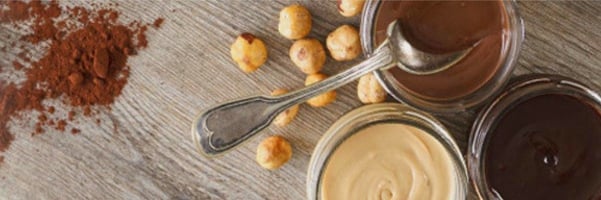
But it is in the 19th century that the turning point occurs. Napoleon imposes the continental blockade, and cocoa begins to run short. Instead of giving up, the Piedmontese chocolatiers invent an alchemy. They mix cocoa with finely ground roasted hazelnuts, those small fragrant gems from the Langhe. This gives birth to gianduia, a soft, velvety, and deep chocolate, with a warm and unmistakable aroma. The name comes from Gianduja, the cheerful and popular mask symbolizing Turin. This taste captivates everyone and soon becomes the sweet heart of Piedmont. It is no longer a luxury for a few, but a shared pleasure.
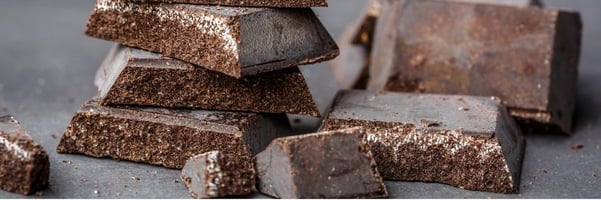
Yet the artisanal soul is not lost. In Sicily, in Modica, an ancient way of working cocoa cold survives — famous as Modica chocolate, just like the Aztecs did. The granularity of the sugar that doesn't dissolve completely tells a story of patience and skilled hands. In Tuscany, small bean-to-bar laboratories transform beans into fragrant bars, crafted like fine wines. In every region, a different nuance, a distinct character.
Chocolate is not just a sweet. It is a language. It is the crisp sound of a bar breaking. It is the aroma that spreads when a package is opened. It is a familiar, intimate gesture, often linked to a precise memory.
From baroque Venice to Turin cafés, from the hazelnut-scented Langhe to Sicilian laboratories, Italian chocolate has become a cultural heritage over time, a symbol of elegance and warmth. It has never been just an ingredient. It has always been a small magic to be savored slowly.
👉 Why three bites for happiness? Because one is never enough, it is a journey to savor it, just like the one we have narrated, discovering new pleasures for which it is better to delve deeper with a few more bites to appreciate it in all its shades rather than not doing it well!
P.S. Want to discover more about the fantastic world of chocolate? Discover Compagnia del Cioccolato and the collaboration we started to enhance the culture of this ancient product.
 S&M
S&M




We recommend that you enjoy



✔ You have added the product to your cart!