 / Our magazine / Whole Wheat Pasta: focus on taste and health.
/ Our magazine / Whole Wheat Pasta: focus on taste and health.
/ Our magazine / Whole Wheat Pasta: focus on taste and health.
The pasta is undoubtedly the symbol par excellence of Italianity in the world and is one of the most consumed foods on the tables of most Italians. We are probably used to thinking of classic dried pasta made from refined durum wheat semolina, or of the more homemade fresh egg pasta when we talk about pasta. That said, it is important to underline how in recent years many new varieties of pasta have emerged that differ essentially due to the raw materials used to produce them and, therefore, also for a different nutritional value but also, above all, for their taste.
One of the most widespread types is definitely wholemeal pasta (discover all the formats of wholemeal pasta we have available), a variant that essentially meets the dietary needs imposed by certain diets. It is necessary, however, to state that any type of pasta can be wholemeal since being such is not an intrinsic characteristic of the pasta itself, but simply depends on the use of a different type of flour.
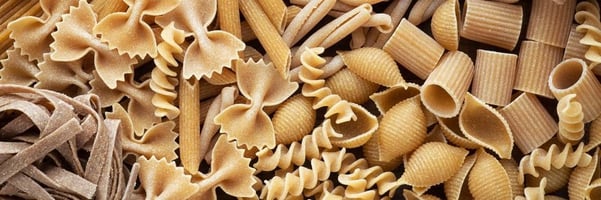
Wholemeal pasta is produced using wholemeal flour which is characterized by a different degree of processing, and thus of refinement, that the used grain undergoes. In fact, it is precisely this different processing of the flour, produced by grinding the whole grain, that gives this pasta its typical brown color.
Wholemeal pasta is therefore produced by mixing water and wholemeal durum wheat semolina and therefore, from a chemical-compositional point of view, there are no differences compared to refined white pasta; however, there are significant differentiating factors that concern their nutritional values and, specifically, the content of vitamins, salt, and fiber.
This, as already mentioned earlier, depends on the processing that the wholemeal durum wheat semolina undergoes: the durum wheat that is ground whole retains also the bran, which is the outermost part of the grain that usually represents the byproduct of grinding the grain's caryopses, removed when producing refined white flour.
The wheat germ is also used, which is the reproductive part of the seed, also generally discarded during the refinement processes of the flour. Therefore, wholemeal flour is the most complete from a nutritional point of view since it contains all the parts of the grain.
The procedure by which wholemeal pasta is produced is practically identical to that used for "normal" pasta and the result is virtually identical if it weren't for their appearance, which differs only in color, darker and tending to brown.
As already mentioned, the different nutritional values. The wholemeal pasta (click here to see our selection of wholemeal pasta) is indeed more complete from a nutritional point of view as it contains on average more fiber, protein, vitamins, and mineral salts such as iron, phosphorus, and zinc.
It is also a type of pasta that provides fewer calories because, in addition to containing less fat, the fiber present inside has the ability to slow down the absorption of carbohydrates within the intestinal tract.
It would be advisable to include wholemeal pasta in your daily diet because, simply eating it more often, is undoubtedly one of those simple habits that, with little effort, could make a big difference for our health. Wholemeal pasta brings numerous advantages and benefits to the body: first of all, thanks to its higher content of fiber, it promotes intestinal transit and also reduces the risk of the onset of cardiovascular diseases.
The sugars present in greater quantities in wholemeal pasta are beta-glucans, very useful for strengthening the immune system and lowering the levels of glucose and cholesterol in the blood as they have the ability to bind, within the intestinal tract, to these two molecules thus limiting their absorption.
Furthermore, the significant presence of B vitamins, particularly vitamins B1, B2, and B3 found in the bran and germ, is important for the health of the nervous and cardiovascular systems because they promote energy production at the cellular level.
Vitamin E and polyphenols, also found in the bran and germ, have antioxidant properties capable of preventing cellular aging. No less important is the fact that wholemeal pasta has a lower glycemic index; this aspect, combined with its high fiber content, makes wholemeal pasta the optimal food to include in weight loss diets instead of refined pasta because fibers, in addition to limiting the absorption of carbohydrates, also provide a greater sense of satiety.
In summary: fewer calories, more fiber, more vitamins but also a quite particular flavor that makes wholemeal pasta a truly surprising alternative for preparing countless recipes, both classic and more imaginative.
Wholemeal pasta can be a pleasant alternative to the classic pasta produced using refined durum wheat semolina. Wholemeal pasta, in fact, is characterized by a more distinctive flavor, though not overwhelming, evoking delicate woody notes, typical of smoking. In reality, the difference is not so marked once dressed and its flavor, although stronger, pairs well with many combinations.
Starting from pasta sauces based on vegetables such as cherry tomatoes, zucchini, but also with typically more winter vegetables like pumpkin, combined with cheeses or diced cold cuts like speck or cooked ham. Wholemeal pasta can also be served with the more classic recipes of the original culinary tradition such as, for example, with ragù or pesto. Let your imagination run wild in the kitchen with wholemeal pasta! Choose health without having to give up flavor.
Ilaria Chesini
 S&M
S&M
We recommend that you enjoy



✔ You have added the product to your cart!