 / Our magazine / From format to cooking: avoid a random mix on the table.
/ Our magazine / From format to cooking: avoid a random mix on the table.
/ Our magazine / From format to cooking: avoid a random mix on the table.
Cold pasta may seem like a simple recipe. In reality, it is a test of balance. It takes very little to transform it from an intelligent, fresh, and Italian dish into a confused bowl where everything tastes of everything and nothing truly stands out. The difference is not made by creativity, but by criteria: choosing the right shape, cooking it well, seasoning it moderately, and building the dish as one would construct a small architecture of flavors.
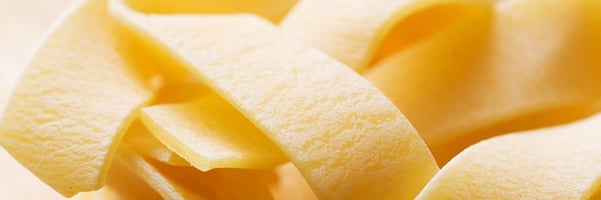
Let's start with the pasta. Not all shapes are meant to become cold pasta. Spaghetti, for example, is wonderful when paired with a hot sauce, when the starch binds, and when the fork's gesture gathers and envelops. However, when cold, they tend to stick together, lose their grace, and become difficult to serve. The same goes for linguine, tagliatelle, and long formats that are too thin: good, yes, but not very suitable for salads.
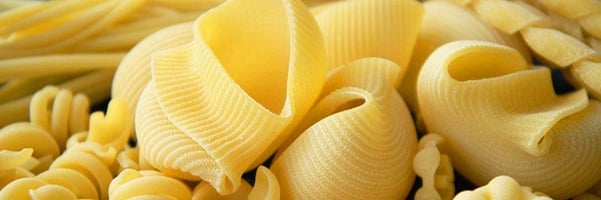
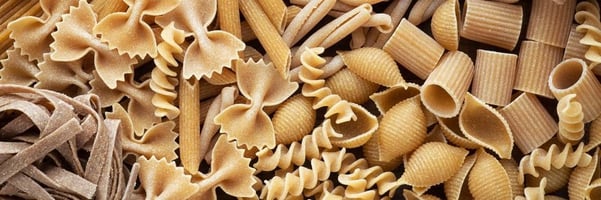
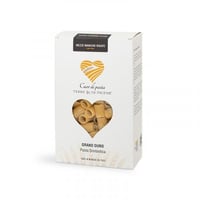
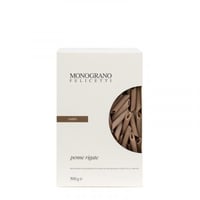
For a well-made cold pasta, you need short shapes that can hold onto the dressing without being dominated. Fusilli, corkscrews, and casarecce are among the most reliable: their curves gather oil, vegetables, small pieces of cheese, and aromatic herbs. Rigatoni works very well, provided they are not too large and not overwhelmed by heavy ingredients. Half rigatoni are perfect when the sauce is hearty, perhaps with eggplants, cherry tomatoes, olives, and good canned tuna. Farfalle (bow-tie pasta) have a cheerful aesthetic but require attention: the center tends to remain firmer than the wings, so they should be cooked precisely. Excellent are also ditaloni, mezze maniche, and conchiglie, especially when you want a neat dish that is easy to serve and pleasant to eat even the next day.
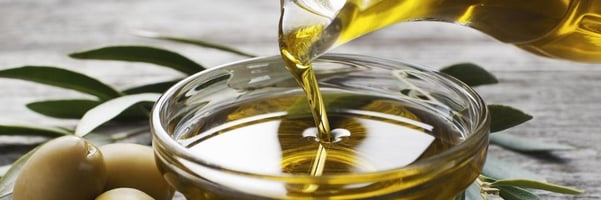
The first rule is this: cold pasta should not be "cold because it's leftover," but thought out from the beginning to be eaten at room temperature. Cooking should be stopped al dente, even a minute earlier than the indicated time, because the pasta will continue to absorb moisture from the dressing. Overcooking it means condemning it to mushiness. Rinsing it under cold water? It depends. In home cooking, it's often done to stop the cooking, but it takes away starch and flavor. It’s better to drain it, spread it out on a baking sheet, dress it immediately with a drizzle of extra virgin olive oil, and let it cool naturally, stirring occasionally. This way it stays lively, separate, and still recognizable.
The second mistake is believing that cold pasta improves by adding ingredients. It does not. Italian tradition teaches the opposite: a few well-chosen elements put together sensibly. Tomato, basil, mozzarella, and good oil are already a world. Grilled zucchini, mint, lemon, and slivers of pecorino can be enough. Tuna, capers, olives, and cherry tomatoes speak a very clear Mediterranean language. The problem arises when the same plate ends up with corn, sausages, pickles, mozzarella, tuna, eggs, olives, pesto, cubed cheese, and perhaps even mayonnaise. At that point, it is no longer a recipe: it is a meeting without an agenda.
Care should also be taken with overly wet dressings. Fresh tomatoes are fine, but they should be cut and allowed to release some of their water; otherwise, they water everything down. Mozzarella is magnificent, but if used immediately after draining, it can release liquid and make the pasta slippery. It’s better to cut it, pat it dry, and add it at the end. Grilled vegetables should be flavorful but not soaked in oil. Pickled products should be drained carefully: they should add character, not drown the dish.
Another common mistake is using overly creamy sauces. Cold pasta does not like to be mixed up. Mayonnaise, ready-made sauces, and too thick creams cover the pasta's taste and weigh down the result. If you want a wrapping note, it’s better to use a light pesto, thinned with a bit of good olive oil, or a ricotta cream worked with fresh herbs and lemon zest. The important thing is not to turn the dressing into glue.
The aromatic element makes all the difference. Basil, oregano, mint, thyme, parsley, marjoram: herbs should be selected, not thrown in haphazardly. Basil calls for tomatoes and mozzarella. Mint pairs wonderfully with zucchini, eggplants, peas, and lemon. Oregano immediately brings in the South, but it should be measured. The citrus zest is a small magic: it brings freshness without adding invasive acidity.
Finally, the timing. Cold pasta should not be served cold from the refrigerator. Coldness dulls aromas, hardens fats, and makes everything taste flatter. It should be prepared in advance, of course, but taken out at least twenty minutes before serving. Only then will oil, pasta, and ingredients talk to each other again.
A good cold pasta is Italian when it respects three things: the shape, the cooking, and the identity of the ingredients. It should not impress for quantity, but for harmony. It should not seem like a leftover dressed up for a party, but a dish designed for summer, for a long table, for a garden lunch, or a light dinner. Because even in simplicity, culinary culture is required. And, as always, good taste begins even before turning on the stove.
 S&M
S&M



We recommend that you enjoy



✔ You have added the product to your cart!