 / Our magazine / Legumes: 5 things many don't know and 2 special recipes.
/ Our magazine / Legumes: 5 things many don't know and 2 special recipes.
/ Our magazine / Legumes: 5 things many don't know and 2 special recipes.
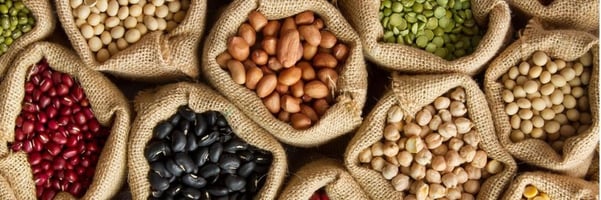
Legumes are among the oldest and most valuable foods in our diet, starring in traditional dishes and essential for balanced nutrition. Chickpeas, beans, lentils, peas, and cicerchie are not only rich in plant proteins but also a sustainable resource for the environment.
Yet, there are curiosities and secrets that few know about these incredible foods. Let’s discover 5 things many ignore about legumes and 2 special recipes to enhance their taste in the kitchen!
Did you know that chickpeas, lentils, and beans have been consumed by humans for over 10,000 years?
The ancient Egyptians, Greeks, and Romans considered them essential in the daily diet. In many cultures, they were a symbol of prosperity and longevity, which is why lentils are eaten on New Year's as a wish for wealth.
Legumes are a true treasure of proteins, with a content that varies between 20% and 30%. It’s no coincidence that they are often referred to as the “meat of the poor”!
However, to obtain all essential amino acids, it is useful to pair them with grains such as pasta, rice, or bread. This is why dishes like pasta and beans or rice and lentils are so nutritionally balanced.
Many avoid legumes because they fear abdominal bloating, but with a few tricks, they can be digested without problems:
✅ Soaking: Soak dry legumes in water for at least 12 hours, changing the water a couple of times.
✅ Slow cooking: Cooking legumes over low heat helps make them more digestible.
✅ Right spices and herbs: Adding bay leaf, ginger, fennel, or cumin during cooking helps reduce bloating.
As Spaghetti & Mandolino, we always have an eye on sustainability and legumes have a very low environmental impact compared to animal proteins. To produce 1 kg of legumes, it takes on average 5 times less water than meat and drastically reduces CO₂ emissions. Furthermore, legumes improve soil fertility thanks to their ability to fix nitrogen in the soil.
Eating more legumes means not only benefiting your health but also helping the planet! 🌍
Besides chickpeas, lentils, and beans, there are less common but equally tasty legumes:
🌱 Cicerchie: an ancient legume found in central Italy, with an intense flavor.
🌱 Sorana Beans: small and delicate, perfect for Tuscan soups.
🌱 Beluga Black Lentils: named for their resemblance to caviar, rich in iron and protein.
🌱 Lupins: often eaten as a snack, they are among the legumes highest in protein.
After discovering some curiosities, let’s see how to cook legumes with two special recipes that highlight their taste and nutritional properties!
🥣 Ingredients (for 4 people):
🔪 Preparation:
1️⃣ Soak the dry chickpeas for at least 12 hours, then drain them and cook in water with a pinch of salt for about 90 minutes (if using already cooked chickpeas, skip this step).
2️⃣ In a pan, heat the oil with the garlic cloves and rosemary for a couple of minutes, then strain it.
3️⃣ Blend the chickpeas with a ladle of their cooking water until you obtain a smooth cream.
4️⃣ Cut the bread into cubes and toast it in the oven with a drizzle of oil.
5️⃣ Serve the chickpea cream with a drizzle of rosemary oil and crispy croutons.
✨ Perfect as an appetizer or light first course!
🥗 Ingredients (for 4 people):
🔪 Preparation:
1️⃣ Rinse the lentils under running water and cook them in boiling water for about 25 minutes. Drain and let cool.
2️⃣ Deseed the pomegranate and slice the onion thinly.
3️⃣ Cut the buffalo brie into cubes and mix with the lentils, pomegranate, and onion.
4️⃣ Season with oil, lemon juice, salt, and pepper.
5️⃣ Let it sit for at least 30 minutes before serving.
✨ A light and tasty dish, perfect as a side or main dish!
 S&M
S&M




We recommend that you enjoy



✔ You have added the product to your cart!