 / Our magazine / Cheese boards: art, not improvisation.
/ Our magazine / Cheese boards: art, not improvisation.
/ Our magazine / Cheese boards: art, not improvisation.
Do you want to make a great impression and serve a beautiful cheese board on your table? Be careful, because there are some very specific rules to keep in mind that, if not followed carefully, can make the difference between a hit and a miss. Are you ready to become professionals?
Let's start with the container. If you can avoid a cold ceramic plate, it’s better. It’s called a cheese board, so it would be better to have wooden boards available, round, rectangular, or square. This is not a problem, but if you can find olive wood, that would be the best!
You don’t need too much space; it’s important that it can hold a maximum of 5-6 types of cheese, with portions not exceeding 30 grams each. At this point, you need to decide what to put on the wooden board, what cheeses to taste? And why? Can a cheese tasting have a meaning? Well: of course!
You must follow a logical sequence. The first times you offer them, you can choose generic boards that follow only a sequence based on the complexity of the various types of cheese. So, start with fresh cheese (Mozzarella di Bufala Campana dop, Robiola di Roccaverano dop), semi-aged cheese (Pecorino Toscano dop, Asiago dop), soft-rind cheese (Brie, Camembert), semi-fat semi-aged mountain cheese (Bettelmatt, Monte Veronese dop d’Allevo), fat semi-aged mountain cheese (Fontina dop, Bitto dop), aged cheese (Bra duro, Parmigiano Reggiano dop), aged sheep or goat cheese (Fiore Sardo dop, Canestrato), very old cheese (Bitto dop, Castelmagno dop), blue cheese (Gorgonzola dop piccante, Blu di capra). The ones in parentheses are just examples to help you understand which types of cheese to focus on. Then, if you want to have fun proposing specific cheese tastings, I recommend some creative cheese board concepts, all with 6 pieces.
International: European cheeses from at least three countries.
National: From the Alps to the Islands.
With multiple milks: Cow, sheep, goat, and buffalo.
With one milk: all from a single animal.
With multiple textures: fresh, cooked, stretched, broken, pressed.
With a single texture: all from one texture.
With multiple rinds: soft, washed, treated.
From a specific area: Italian region, hilly or mountainous area, plain, island, valley, lake…
Aged cheeses: under pomace, under aromatic herbs, under spices, with elaborate rinds.
Mountain cheeses: a selection of cheeses from high altitude with summer production.
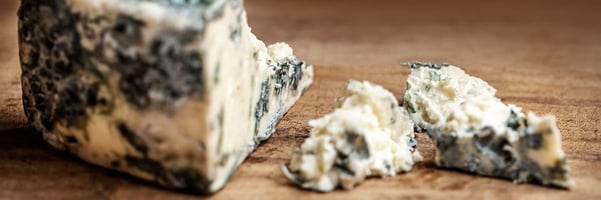
Blue cheeses: all cheeses containing Penicillium roqueforti.
Ricottas: they are not cheeses, yet there are many from all over Italy, fresh, semi-aged, aged, smoked, etc.
In a future article, I will tell you how to cut cheeses and how to store them. The latter is a highly discussed and requested topic.
Bernardo Pasquali
Master Taster of Cheeses ONAF
 S&M
S&M


We recommend that you enjoy



✔ You have added the product to your cart!