 / Our magazine / Extra virgin olive oil, a precious ally of the Mediterranean diet!
/ Our magazine / Extra virgin olive oil, a precious ally of the Mediterranean diet!
/ Our magazine / Extra virgin olive oil, a precious ally of the Mediterranean diet!
Extra virgin olive oil, a Italian excellence recognized worldwide. A precious ally of the mediterranean diet, containing numerous beneficial properties, it is essential for a healthy and balanced diet; an unmissable condiment on our table. Available in the market are not only various brands but also different varieties of olive oil; it is important to understand the differences to make a quality choice for our daily diet.
Moreover, to enrich our dishes with unique, simple yet refined flavors, there are also flavored oils, which as we will see, give us the possibility to create recipes and combinations for a true gastronomic experience! To understand the importance of this food in our diet, let’s take a step back and trace the origins of extravirgin olive oil.
The extra virgin olive oil (commonly known as EVO oil as we discussed here) comes from the fruit of the olive tree, a plant that is very well known and widespread throughout the world, a symbol of Mediterranean civilization. The roots of oil production are very ancient, tracing back to the Middle East: in Palestine, the oldest oil mills have been found, dating back several millennia before the birth of Christ. Subsequently, the olive tree and thus the production of oil spread to Egypt, Crete, Attica, and across the Mediterranean thanks to the Phoenicians, Greeks, and Carthaginians. In Italy, the spread occurred around 1000 BC thanks to the Greeks, while the Etruscans started the cultivation of the plant and gave the product its name: eleiva, thus oil.
The Roman Empire spread the cultivation of the plant and the techniques for pressing and preserving oil in all conquered lands. For centuries, these techniques remained unchanged, thus giving a solid historical imprint to the artisanal origins of the product. Thanks to all of this, olive groves became a peculiarity of our Country, along with France and Spain, significantly characterizing the landscape, as well as the diet and economy. Numerous archaeological finds and manuscripts have confirmed the presence of oil in everyday use and reality.
The large presence of products available on the market can cause some confusion regarding the quality and purity of the product. It is therefore advisable to make a classification to ensure you purchase a good product. The first clarification to make concerns the denomination “virgin”: an oil is labeled as such when it is obtained from a single crushing of the olive and from the consequent extraction of oil contained therein, using mechanical action to avoid altering the product. The extra virgin oil has additional technical characteristics regarding free acidity, expressed in oleic acid not exceeding 0.8 g per 100 g, and it must be cold pressed. Any different pressing technique would alter its values, in terms of both organoleptic properties and beneficial properties.
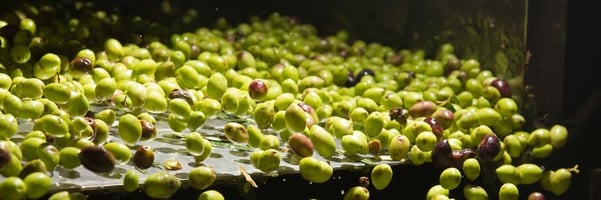
The extra virgin olive oil, also known as EVO oil, is certainly the best. It has an acidity level lower than 0.80% per 100 g of product, extracted from the pressing (also called milling) of olives using mechanical means, strictly cold and without the addition of additives. Besides having recognizable organoleptic characteristics, including an intense and delicious aroma, it is a perfect oil, derived from healthy olives, not fallen to the ground and untreated chemically, that are harvested at the right degree of ripeness. Furthermore, the cold pressing occurs shortly after harvesting. The higher price compared to less refined olive oil is justified by the great number of attentions required in the production of such high-quality oil.
The primary distinguishing factor is therefore the level of acidity, which as we have seen for extra virgin olive oil is very low, 0.80% per 100 grams. For virgin olive oil, it is instead 2% per 100 g of product. It is still virgin, but its level of acidity is not perfect as for the extra virgin. When we talk about olive oil, the distinctions expand. Olive oil consists of 90% of refined oil with the addition of virgin oil for the remaining 10%, and is obtained from the union of refined oils, which are treated with chemicals including benzene. Its flavor is lighter, but beware, it is certainly not less fatty as many think. Due to the procedures involved in refining, vitamin E deteriorates and the higher level of acidity can cause digestive problems.
It is often heard about EVO oil, but it always refers to extra virgin olive oil. It is indeed the acronym coined by Dr. agronomist Stefano Epifani, who collaborates with Universities and Institutions that deal with research on olive oil. The meaning of EVO oil thus represents nothing but extra virgin oil, and the term was coined to highlight its qualities and especially to avoid having oil with such characteristics confused with olive oil.
Extra virgin olive oil is rich in lipids at 99%, made up of triglycerides which in turn are composed of fatty acids. It is rich in polyphenols, the antioxidants that fight free radicals, counteracting cellular aging. In addition, it contains acids, including caffeic, ferulic, cinnamic, cumaric, oleic, linoleic, and stearic acids. It is rich in carotenoids and chlorophylls, which determine the typical coloration of the oil. EVO oil or extra virgin olive oil also contains vitamin E and K, as well as minerals like potassium, sodium, calcium, iron, sodium, and zinc.
The substances present in extra virgin olive oil help to reduce bad cholesterol levels HLD, thanks to phytosterols, favoring good cholesterol, HDL, due to the monounsaturated fats that promote artery cleaning. Extra virgin olive oil helps to lower blood pressure, reducing the risk of heart attacks and strokes. It is useful against osteoporosis, as it promotes calcium absorption in the body. It helps to control blood sugar levels, and to prevent the onset and development of Alzheimer’s, as a study from Chemical Neuroscience establishes, thanks to the presence of the substance known as oleocanthal.
Besides being a great protagonist of Italian food culture, it is also highly appreciated by nutritionists for the great benefits it provides to our bodies.
In-depth Analysis: Why bitterness is a quality of EVO oil.
Extra virgin olive oil is highly appreciated by chefs and food lovers: even in the simplest dishes, EVO oil can enhance any flavor, including for vegans who use it instead of butter or other animal fats. It truly takes little to appreciate its flavor, which provides the maximum taste on a slice of bread, a crouton, or a bruschetta, with a pinch of garlic and chili.
Extra virgin olive oil is able to give character to everyday side dishes, such as salads and boiled or raw vegetables. It can season grilled meat or fish, or be used to make marinades, sauces, or as an ingredient in cooking, including sauces, dips, lighter fries, but also in desserts, which will turn out more fragrant.
Flavored oils are a valuable aid for dressing the most varied types of dishes: from first courses to white or red meats, to fish, and side dishes. They will add an irresistible touch with an intense aroma without overshadowing the flavor of the dish, creating a perfect bond of tastes and scents.
The base is always extra virgin olive oil, (we explored the topic of flavored oils) and it is created by allowing it to infuse with various aromas and spices, such as rosemary, bay leaf, basil, truffle, chili, lemon, mint, thyme, or dill, to create dishes with delicious flavors, with an extra touch. What do you think of extra virgin olive oil flavored with chili on pizza? A triumph entirely made in Italy! Here’s a quick and simple recipe to prepare with bresaola and lemon flavored oil. You just need to prepare a chopped parsley that you will then drizzle with the flavored oil. Let it rest, and when it’s time to serve, dress the bresaola. It will enchant you with its aroma, enhancing your senses and taste buds. Enjoy your meal!
Extra virgin olive oil is the precious green gold of the Mediterranean diet; for an extra touch, try the flavored oils recommended by Spaghetti & Mandolino!
 S&M
S&M
We recommend that you enjoy



✔ You have added the product to your cart!