 / Our magazine / Ravioli: each palate has its filling, a tribute to tradition.
/ Our magazine / Ravioli: each palate has its filling, a tribute to tradition.
/ Our magazine / Ravioli: each palate has its filling, a tribute to tradition.
Square or round, vegetarian or not, ravioli conquer the taste buds of anyone, in Italy and abroad. Their simplicity has proven to be successful centuries ago, considering that the first literary attestations of the word “raviolo” date back to 1100. Modernly, the push for innovation and the search for difficulty has created numerous variants of the original recipe, both in the composition of the egg pasta used and in its filling: tradition, however, always demonstrates its resilience and consistently reappears at the table, from generation to generation.
Let’s look at some recipes from our culinary landscape, starting with the basics.
The first step consists of choosing the pasta to use in the preparation: the most classic choice in this case will be egg pasta, which will require 100g of 00 flour and one egg per person (with the addition of a pinch of salt). Once the quantities to be prepared have been confirmed, proceed to mound the flour in the shape of a small volcano, in the center of which the well-mixed eggs will be poured. Then proceed to knead everything homogeneously and uniformly, working it with your hands until the desired consistency is achieved.
While letting the pasta rest, you can start preparing the filling, then resume the interrupted work and roll out the pasta with a rolling pin, to create a “sheet” of pasta with the appropriate thickness (choose carefully, according to your judgment). At this point, using a handy cutter or your manual skills, you can form the squares, circles, or even hearts of pasta to be filled, then seal them with a second layer of pasta of the same geometric shape.
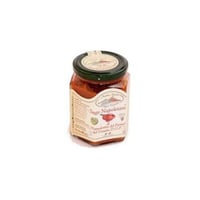
The tomato is a symbol of Italian-ness, even though it comes from another continent, as we have managed to integrate it into almost every preparation, from the tomato purée for first courses to pizza, from second courses to side dishes. Combined with basil and other aromatic herbs, the red vegetable favored by Italians pairs wonderfully with a beautiful plate of ravioli filled with ricotta and cherry tomatoes, for a taste with doubled goodness!
Also, Parmesan Reggiano is a famous ingredient to use as a juicy melted filling, to be paired with a sprinkle of fresh cheese on top of the finished dish: preparing a cream of starch, salt, and DOP Parmesan is easy, and you just have to restrain yourself from tasting it by the spoonful. To facilitate the use of the filling, simply refrigerate it and use it before it returns to room temperature, leaving the reveal of the true appearance of your delicious cream to the moment of final cooking.
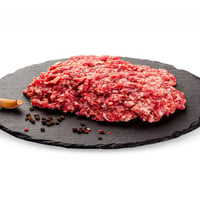
Finally, we suggest as a filling the so-called tastasale, a Veronese term that refers to a mixture of salami, sausages, soppresse, and stortine, which in this case applies to the ground pork of the Padano breed that Macelleria Fratton prepares with the addition of wild garlic – a real delight for a variant with a significant protein contribution.
And you, what shapes of ravioli do you prefer? And what fillings do you use most often? Let us know by tagging us on our social media!
 S&M
S&M
We recommend that you enjoy



✔ You have added the product to your cart!