 / Our magazine / The ancient art of smoking.
/ Our magazine / The ancient art of smoking.
/ Our magazine / The ancient art of smoking.
Smoking, in Italy, is one of the oldest culinary practices. Originally, it was not intended to enhance flavor, but to preserve food in the absence of refrigeration. The smoke, rich in resins and antiseptic substances, slowed down bacterial proliferation and extended the life of cured meats and cheeses. Over time, this technique has become a true art of flavor, capable of enhancing products and transforming them into authentic excellence.
Smoking adds to food a sensory depth that makes it special:
For this reason, today smoking is no longer just a technique, but a search for emotion and identity, carrying the flavor of tradition and the modern pleasure of a rich, intense, and unmistakable taste.
In a world where everything can be artificially preserved, smoke remains irreplaceable: not because it's necessary, but because it pleases and tells a story.
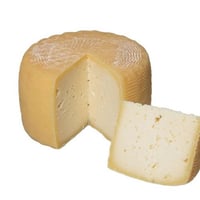
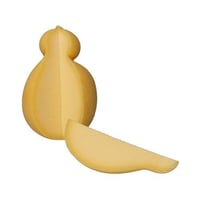
In Southern Italy, smoking was often linked to dairy products such as scamorza. The shapes were hung near fireplaces and smoked with poor and easily available woods: beech, oak, straw, or hazelnut shells. This gave a soft, rounded, and delicate aroma that enriched the sweetness of milk.
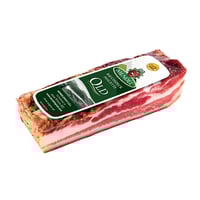
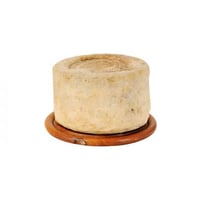
In Northern Italy, on the other hand, smoking was more intense and primarily focused on meats. The speck from South Tyrol, for example, was flavored with spices such as juniper and bay leaf, then smoked with beech wood and sometimes red fir, which imparted stronger aromatic notes. The smoked ricotta typical of the Dolomites and Apennines was also exposed to beech smoke, achieving a deep, slightly spicy flavor, ideal for grating over first courses or enjoying in slices. This heritage still lives on today thanks to producers like MendelSpeck, keepers of traditional South Tyrolean techniques. You can rediscover these timeless flavors through:
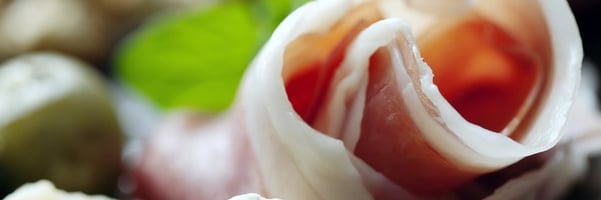
🥓 Smoked speck: spiced and balanced, with the aroma of beech and juniper.
🧀 Smoked scamorza: creamy, with delicate smoky notes that enrich its natural sweetness.
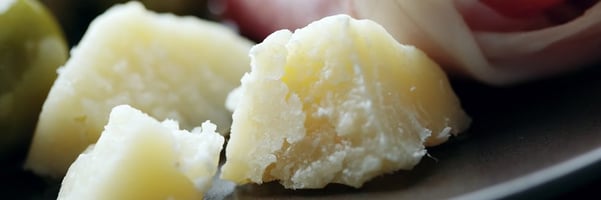
🍶 Smoked ricotta: compact and intense, perfect for adding character to your dishes.
The blackened ceilings of alpine houses (stube) were a visible sign of years of domestic smoking.
The scamorza was tied "in pairs" and hung above fireplaces, taking on its typical rounded shape.
Speck is unique because it combines two worlds: northern preservation through smoking and Mediterranean curing in the open air.
 S&M
S&M
We recommend that you enjoy



✔ You have added the product to your cart!