 / Our magazine / Alcohol on the table: summer wines or beer? 3 fresh ideas.
/ Our magazine / Alcohol on the table: summer wines or beer? 3 fresh ideas.
/ Our magazine / Alcohol on the table: summer wines or beer? 3 fresh ideas.
When summer arrives, the question arises as punctual as an outdoor dinner with friends: is it better to have a bottle of wine or a cold beer? In Italy, we have grown up with the idea that wine is the natural companion of the table. And indeed, our gastronomic tradition is built around it. But in recent years, craft beer has gained space, quality, and gastronomic dignity, proving that it can surprisingly pair with many summer dishes.
The most common mistake is to approach the choice automatically. Fish equals white wine. Meat equals red wine. Pizza equals beer. Does it work? Of course. But Italian cuisine becomes much more interesting when we step away from shortcuts and seek harmony between what we eat and what we drink.
For this reason, it is worth exploring three different ideas, three ways to interpret Italian summer without falling into usual pairings.
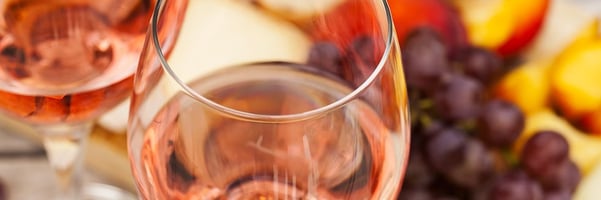
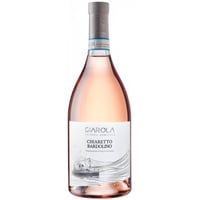
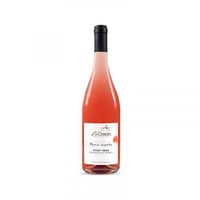
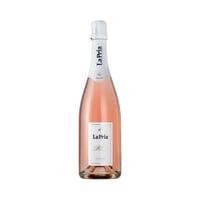
For years, it was considered a transitional wine, almost a compromise choice between white and red. Today, rosé is experiencing a well-deserved reevaluation. And it is probably the wine that best represents the Italian summer table.
The reason is simple: it possesses the freshness of whites but retains some of the structure and aromatic complexity of reds. This allows it to move effortlessly between very different dishes.
Think of a summer lunch centered around a large table of appetizers. A selection of grilled vegetables, some fresh cheese, a Sicilian caponata, sweet raw ham, and freshly baked focaccia. A very light white wine would risk disappearing. An important red would be excessive. A good rosé, on the other hand, manages to bring all these flavors together.
Even with fish, the result can be surprising. Seared tuna, octopus salad, marinated anchovies, grilled shrimp find in rosé a natural ally because its light structure accompanies the substance without overwhelming its delicacy.
The mistake to avoid? Serving it too cold. When rosé is brought almost to ice temperature, it loses its aromas, character, and personality. It should be cool, not frozen. Like all good things, it needs to be listened to.
There's a typically Italian moment that repeats everywhere in summer: the aperitivo that slowly transforms into dinner. A table filled with small tastings, snacks, baked goods, preserves, delicate cold cuts, fresh cheeses, and shared dishes.
This is where one of the most underrated beers in gastronomic pairings comes into play: blanche.
Born in the Belgian tradition but now also present in many Italian craft productions, it is characterized by citrusy aromas, light spicy notes, and an extraordinary ability to cleanse the palate without being aggressive.
Paired with a good Ligurian focaccia, a selection of marinated vegetables, some artisan taralli, a fresh burrata, and ripe tomatoes creates a balance that is difficult to achieve with wine. The effervescence complements the fatty component, while the aromatic notes work with Mediterranean herbs.
It also works wonderfully with dishes that often pose challenges for many summer wines: light fried vegetables, breaded anchovies, fish croquettes, mixed seafood fry. The beer maintains lightness without weighing down the meal.
The most frequent risk is choosing overly bitter beers. In summer, especially with Mediterranean cuisine and rich in vegetable nuances, excessive bitterness tends to dominate. The blanche, on the other hand, accompanies without intruding.
If there is a scene that represents Italian summer, it is probably a table by the sea. It doesn't matter whether it is in Liguria, in Apulia, in Sicily, or along the Adriatic. Fish, shellfish, mollusks, citrus fruits, and extra virgin olive oil become the protagonists.
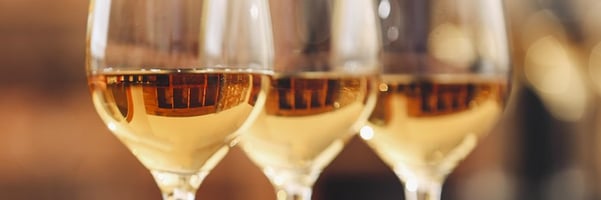
In this context, white wine remains a reference point. But not just any white wine.
The more aromatic and fragrant versions often risk overshadowing the dishes. The true summer elegance comes from mineral whites, savory, tense, capable of accompanying without stealing the scene.
Think of linguine with veraci clams, a well-prepared seafood salad, a yellowtail tartare with lemon zest, or simply mussels opened in a pan. Here, you need a drink that prolongs the sea, not one that covers it.
The minerality creates continuity with the natural savoriness of the fish. The acidity keeps the sip lively. The lightness encourages conviviality and allows continued eating without tiring the palate.
Even some typically summer dishes of Italian tradition find in these wines ideal companions: spaghetti with anchovies, octopus and potato salads, lightly seared tuna, and marinated bluefish.
The most common mistake is to chase excessive aromas. When wine becomes more prominent than the dish, the pairing loses harmony. Italian seafood cuisine loves balance, not competition.
The true Italian tradition has never imposed rigid rules. It has always sought common sense. Wine and beer are not adversaries. They are different tools to enhance different moments at the table.
A rosé can become the perfect companion for a dinner on the terrace. A blanche can transform an aperitivo into a complete gastronomic experience. A mineral white can enhance the simplicity of a great seafood dish.
What's important is to stop choosing out of habit.
Because the Italian summer table gives its best when it remains curious. And often, the difference between an ordinary lunch and a memory that lasts over time does not depend on what you drink, but on how well that glass can tell what is on the plate.
 S&M
S&M
We recommend that you enjoy



✔ You have added the product to your cart!