 / Typical products / Cheeses / Low-fat cheeses / Typical products / Cheeses / Low-fat cheeses
The need to maintain a healthy and nutritious, yet low-fat diet is increasingly important. Spaghetti&Mandolino aims to meet all needs, which is why we offer you our selection of low-fat cheeses that provide a large amount of essential nutrients for the proper functioning of our body. In fact, they are an energy-rich food, full of proteins, vitamins, and minerals, that have no impact on cholesterol levels. Low-fat cheeses are an ally for bone health due to their high calcium and phosphorus content. A highly digestible food that is suitable for anyone following a low-calorie diet.
 Show filters
The growing focus on health and nutrition has driven the development and spread of low-fat cheeses. A long history of evolution and innovation in cheese production has led to the variety of products we know today.
In many traditional cheese cultures of the past, some low-fat cheeses were naturally produced using skimmed milk, that is, milk from which the cream had been removed. This was done simply by letting the milk rest and removing the top layer of cream, which was used to make butter or other products. The remaining milk, with less fat, was used to make cheese.
Many of the early low-fat cheeses were likely fresh cheeses like ricotta and goat cheese, which naturally have a lower fat content compared to aged cheeses. Ricotta, for example, is made from whey, which is a by-product of other cheese production, and contains less fat.
During the 20th century, with increased awareness of the health benefits of a low-fat diet, the dairy industry began to develop specific techniques to produce low-fat cheeses in response to growing demand. This included the use of skimmed milk and ultrafiltration technologies to further reduce fat content while maintaining good flavor and texture.
Eating low-fat cheeses can offer several health benefits; indeed, they contain less saturated fat and fewer calories, making them a better choice for those who want to maintain a balanced weight or reduce their intake of saturated fats for cardiovascular health reasons.
In detail, we can list four significant aspects of this type of cheese that differentiate them from traditional cheeses.
Reduced fat content:
Low-fat cheeses generally contain less than 20% fat of the total product, unlike traditional cheeses, which can contain between 30% and 40% fat.
Low-calorie content:
Due to the lower fat content, low-fat cheeses also have fewer calories, making them suitable for low-calorie diets.
High protein content:
Even though they contain less fat, many low-fat cheeses maintain a good protein content, which is essential for muscle growth and maintaining lean body mass.
Calcium and other nutrients:
Low-fat cheeses can still be rich in calcium, vitamin D, and other essential minerals for bone health.
The taste of low-fat cheeses can vary significantly depending on the type of milk used and the production process. In general, they tend to have a less rich and creamy flavor compared to full-fat cheeses. However, many low-fat cheeses are delicious and can have delicate, slightly tangy, or salty flavors that make them enjoyable.
They are considered low-fat compared to many other cheeses, for example:
Ricotta: A fresh and light cheese, perfect for sweet and savory dishes.
Cottage Cheese: Great for salads or as a protein snack.
Light Mozzarella: Ideal for pizzas and baked dishes with fewer calories.
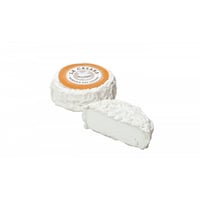
Low-fat Goat Cheese: Often lower in fat than cow's milk cheeses.
Health benefits:
In addition to reducing the intake of saturated fats, low-fat cheeses can help improve blood lipid profiles by lowering LDL cholesterol (the "bad" cholesterol).
Versatility in cooking:
Low-fat cheeses can be used in a variety of recipes, from salads to baked dishes, offering a creamy texture and good flavor without adding too much fat and calories.
Lower risk of cardiovascular disease:
Consuming low-fat cheeses can help reduce the risk of cardiovascular disease due to their lower saturated fat and calorie content.
In conclusion, low-fat cheeses represent an excellent alternative for those who want to maintain a balanced diet without giving up the pleasure of cheese. They have a pleasant taste and can be used in many culinary preparations, offering numerous health benefits.
✔ You have added the product to your cart!