By clicking on FOLLOW and confirming your registration, you will begin to receive updates via email and in your private area, when I insert a new product, inspiration or content regarding this manufacturer.
By clicking on FOLLOW and confirming your registration, you will begin to receive updates via email and in your private area, when I insert a new product, inspiration or content regarding this manufacturer.
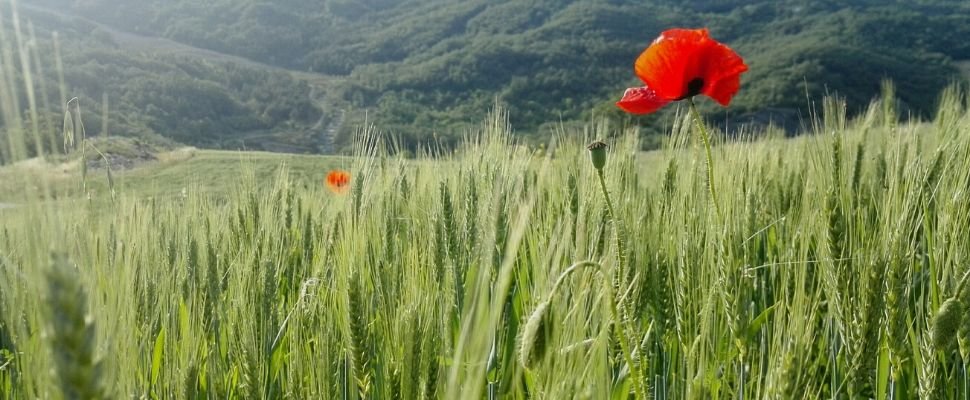
The agricultural company Poderi di Pietramogolana is located in the mountains of Berceto, a UNESCO heritage site, on the Parma Apennines. Its lands stretch across 60 hectares from the banks of the Taro River up to 600 meters in altitude. These are not particularly easy lands to cultivate, so much so that many farmers have abandoned their activities in this area in recent decades. But this has not been a problem for Luisa Winsemann Falghera, who decided to use her family's land to create this business from scratch and produce artisan pasta with spelt and durum wheat grown using the organic method, respecting natural cycles, the natural fertility of the soil, biodiversity, and the landscape.
Pasta Poderi di Pietramogolana: the breath of the Parma Apennines
The pasta from Poderi di Pietramogolana is bronze-drawn and slowly dried in respect of the natural pasta-making processes, carrying with it the essence of these pristine lands, where deer, wild boars, hares, and roe deer are frequently seen. This last animal is represented in the company logo, symbolizing naturalness, authenticity, spontaneity, and undisturbed beauty.
The label for the three pasta formats offered follows the cycle of the seasons, just like the company's cultivation method: first the still green wheat with the poppy (tortiglioni) representing the beginning of spring, then the ear that begins to turn golden and the blue flowers of wild chicory appear (fettuccine), and it all starts anew with new green ears and flowering dandelions (trucioli). The cycle of plant maturation and the passing of the seasons is therefore present on every label of every format, and placed together, they create a true story.
The choice to create a pasta with half spelt and half durum wheat came from the idea of producing a more digestible pasta with a lower glycemic index due to the presence of spelt, and, at the same time, thanks to durum wheat, to provide a more balanced flavor that can be enjoyable to eat every day.
 /
Producers
/ Poderi di Pietramogolana
/
Producers
/ Poderi di Pietramogolana