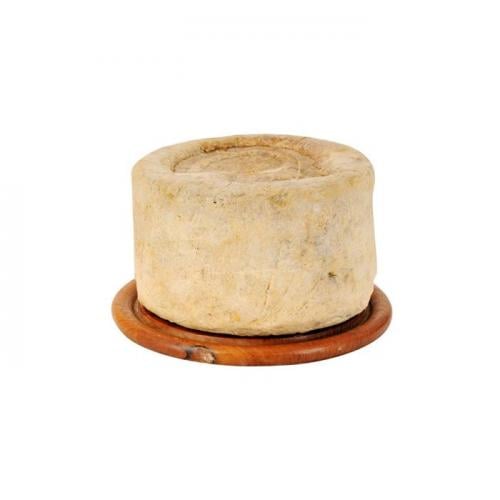
It is one of the noblest and most famous cheeses of the Italian alpine tradition. It comes from the Valgrana in Piedmont and is made with cow's milk, possibly supplemented with sheep and/or goat milk in a percentage ranging from a minimum of 5% to a maximum of 20%.
The Castelmagno DOP can only be produced, aged, and packaged in the administrative territory of the municipalities of Castelmagno, Pradleves, and Monterosso Grana in the province of Cuneo. The milk intended for processing must also come from these municipalities.
Its history
The origin of Castelmagno is very ancient: it may be slightly posterior, if not contemporary, to Gorgonzola, which was already known in 1100. This cheese, however, was already renowned and recognized in the 13th century and in the 19th century, it reached its peak prestige. With the depopulation of the mountains, it risked extinction in the 1960s of the last century, but in the 1980s there was a production recovery leading up to 1996 with the proper European DOP recognition.


 Piedmont
 Castelmagno DOP full form