 / Our magazine / Sottoli or sottaceti? A complete guide on when to use each.
/ Our magazine / Sottoli or sottaceti? A complete guide on when to use each.
/ Our magazine / Sottoli or sottaceti? A complete guide on when to use each.
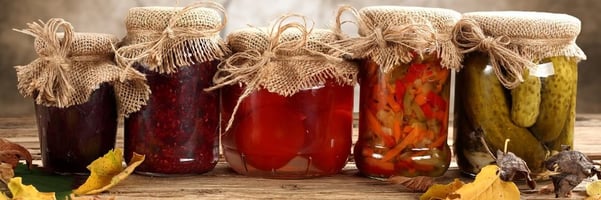
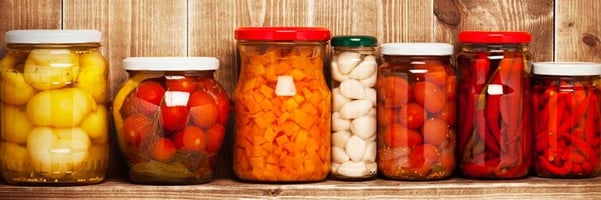
There are ingredients that come to the table almost silently, yet often determine the success of an appetizer, an aperitif, or even a main dish. Oil-cured and pickled items belong to this category. We have found them in Italian pantries for generations, we use them naturally, and often we place them on the same plate without questioning if it’s truly the best choice.
Yet, oil-cured items and pickles are not the same. They do not serve the same culinary role and should not be treated as interchangeable ingredients. Understanding their function means learning to build more balanced, more enjoyable, and more traditionally faithful dishes.
The fundamental difference arises from the method of preservation. Oil-cured items are immersed in oil, which protects and envelops the product, maintaining its softness, aroma, and roundness of flavor. Pickled items, on the other hand, find their defining element in vinegar, developing freshness, acidity, and a greater ability to cleanse the palate.
From this difference, everything else follows.
Oil-cured items are ingredients that add softness and depth. They do not interrupt the flavor of the dish but accompany it. They are perfect when you want to create continuity between flavors and give a sense of greater richness.
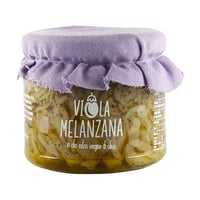
Think of oil-cured artichokes, traditionally preserved eggplants, sun-dried tomatoes, porcini mushrooms, or artisan-crafted zucchini. All these products have an important aromatic component that the oil helps to enhance.
On a cutting board of Italian cured meats, for example, oil-cured items find a natural place next to prosciutto, coppa, speck, and aged salami. The oil softens the perception of saltiness and creates a harmonious transition from one taste to another.
They also work wonderfully with cheeses. Young pecorinos, caciotte, tome, and medium-aged cow's milk cheeses find in oil-cured items a companion capable of enhancing the more aromatic side without creating too stark contrasts.
Oil-cured items also become excellent in summer bruschettas. Sun-dried tomatoes, oil-cured artichokes, or peppers can transform a simple slice of bread into a complete appetizer, especially when accompanied by fresh cheeses or a light cream.
Even in main courses, they can play an important role. A lightly seared tuna fillet, grilled white meat, or a simple grain salad gain complexity thanks to the presence of a well-chosen oil-cured item.
Pickles serve a completely different purpose. They are the counterpoint on the table. They bring freshness, acidity, and an ability to cleanse the palate.
Cornichons, pearl onions, cauliflower, giardiniera, peppers, and other vegetables preserved in vinegar become particularly valuable when the rest of the dish contains fatty, rich, or particularly flavorful components.
Consider the classic boiled meats of Northern Italy. Here, pickles are not just simple side dishes: they are balancing tools. The acidity of vinegar lightens the perception of the meat and prepares the palate for the next bite.
The same is true with fattier cured meats. Cotechino, mortadella, pancetta, soft salamis, and cured coppe find in pickles a counterpart capable of preventing flavor saturation.
Even during summer aperitifs, pickles can make a difference. A well-crafted artisanal giardiniera can bring dynamism to a table laden with focaccias, cheeses, and baked goods.
Pickles are also valuable in gourmet sandwiches. Their acidity cuts through the fatty components of roasted meats, hamburgers, and cured meats, making the final result more balanced.
Another often-overlooked traditional pairing involves preserved fish. Anchovies, herring, and certain smoked fish find in pickles a natural ally thanks to vinegar's ability to balance saltiness and oily components.
Many think that oil-cured and pickled items should never be on the same plate. In reality, Italian tradition tells a different story. They can coexist very well, provided that each maintains a precise role.
The most classic example is the great mixed appetizer. Here, oil-cured items bring softness and aromaticity, while pickles introduce freshness and contrast.
The key lies in the order of tasting. If you first taste a very tangy pickle, there is a risk of compromising the perception of the more delicate flavors that will follow. For this reason, it’s advisable to start with oil-cured items and then move on to pickles.
Even the arrangement on the plate has its own logic.
On a cutting board or a large sharing plate, oil-cured items should be placed near the ingredients with which they share aromatic affinities. Cheeses, aged cured meats, bruschettas, and baked goods represent their natural companions.
Pickles, on the other hand, should occupy a separate position, almost like a tasting pause. They should not mix with the liquids of oil-cured items or be piled on top of other ingredients.
An effective arrangement includes a progression. On one side of the plate, fresh cheeses, delicate cured meats, and oil-cured items are placed. Moving toward the center, more flavorful products can be added. At the end, pickles find their space, ready to cleanse the palate and conclude the tasting journey.
This organization allows each product to express itself without interference and makes the tasting experience much more enjoyable.
Oil-cured and pickled items are not simply two preservation techniques. They are two different culinary tools.
Oil-cured items accompany, envelop, and enrich. Pickles refresh, lighten, and rebalance. The former build continuity. The latter introduce contrast.
Italian cuisine has utilized them for centuries precisely for this reason: not because they are interchangeable, but because together they can create harmony.
And perhaps this is the most interesting lesson. At the table, not only the quality of the products matters. It also counts to understand what role they should play. Because often the secret of a great appetizer does not lie in the most important ingredient, but in the one that manages to enhance all the others.
 S&M
S&M




We recommend that you enjoy



✔ You have added the product to your cart!