By clicking on FOLLOW and confirming your registration, you will begin to receive updates via email and in your private area, when I insert a new product, inspiration or content regarding this manufacturer.
By clicking on FOLLOW and confirming your registration, you will begin to receive updates via email and in your private area, when I insert a new product, inspiration or content regarding this manufacturer.
In the Lombard wine scene, the winery of Fabrizio represents a virtuous example of how passion, study, and respect for the territory can bring forth superior quality wines. Located in Villimpenta, in the province of Mantova, the farm is now known for the line “Crepuscolo”, a collection of labels that tells the authentic essence of the territory.
The history of Cantina Gorzoni
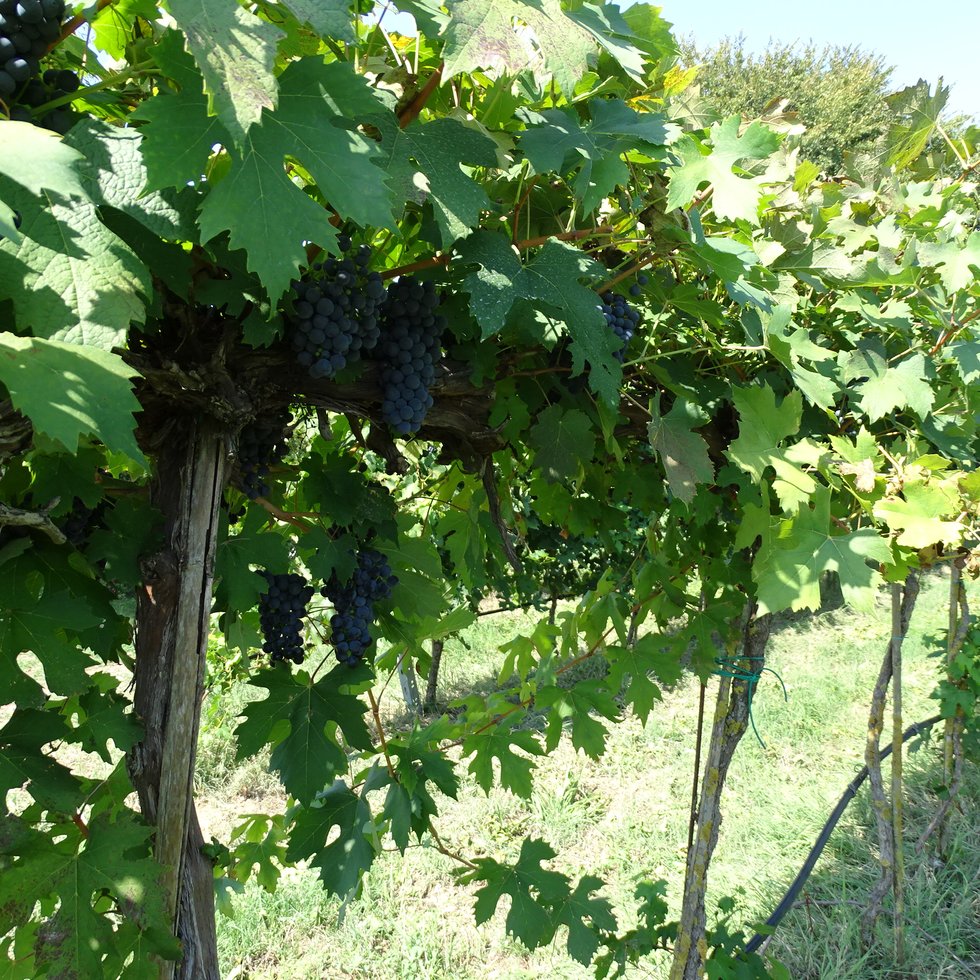
The history of the winery begins in 2010 when Fabrizio purchases a small plot of land with the aim of creating a winemaking project based on quality and sustainability. Year after year, the vineyard expands until it reaches 6 hectares of vineyard area.
The choice of grape varieties and cultivation techniques is not random: Fabrizio studies specialized manuals, industry magazines, and visits wineries in Italy and Europe to identify the best agronomic solutions. As a result, grape varieties symbolic of the Emilia-Romagna and Po Valley traditions are selected, such as Lambrusco, Ancellotta, and Lambrusco Salamino.
The first harvest is vinified in demijohns, a choice that allows for careful verification of the quality of the product. Already in the first year, with a production of five quintals of wine, the response is positive and encouraging.
In the following years, the path of the winery is marked by constant growth: the vineyard expands, the team's experience increases, and the vision of a company capable of merging artisanal tradition and modern techniques solidifies.
Innovation and quality control
With the entry of his son Matteo into the business, the winery introduces significant technological innovations. Vinification takes place in stainless steel tanks, ideal for ensuring temperature control, hygiene, and preservation of the organoleptic characteristics of the grapes.
Mechanical harvesting allows for the optimization of time and resources while maintaining high quality standards. The agro-environmental approach adopted is in line with the latest agronomic advancements and is based on low environmental impact practices.
In 2020, the winery and the vineyards of Villimpenta underwent a significant renovation, further improving production efficiency and the hospitality of the facility.
Today, production reaches approximately 30,000 bottles per year, all expressions of careful grape selection and meticulous vinification. The production philosophy is clear: to enhance the territory through a zero-kilometer economy and a harmonious relationship with nature.
Characteristics of Crepuscolo wines: identity and territory
The “Crepuscolo” line was born from the need to create distinctive wines capable of narrating the territory and the experience of the winemaker. Currently, there are five labels on the market:
Crepuscolo Rosso – Intense and structured, it best expresses the characteristics of the native grape varieties cultivated in the winery.
Crepuscolo Merlot – Soft and enveloping, with fruity notes and elegant tannins.
Crepuscolo L’Ancestrale – An authentic expression of tradition, with refermentation that enhances aromas and aromatic complexity.
Each bottle represents the synthesis of technical expertise, family passion, and respect for the environment. The attention to detail, from the vineyard to the winery, allows for the production of wines that capture the essence of the Villimpenta territory.
Gorzoni, a winery oriented towards the future
Fabrizio's winery continues to grow while holding firm to its roots. The combination of artisanal tradition, technological innovation, and environmental sustainability makes the “Crepuscolo” line a reference point for those seeking authentic and high-quality Italian wines.
Investing in the territory, in the family, and in winemaking expertise is the key to the success of a project that, born in 2010, now looks to the future with ambition and coherence.
 /
Producers
/ Cantina Gorzoni
/
Producers
/ Cantina Gorzoni